










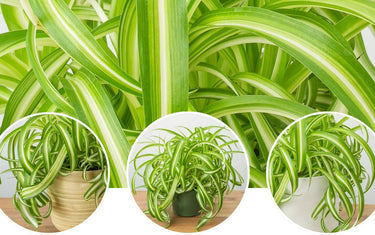
If you’re looking for a plant that delivers plenty of personality without demanding constant attention, meet Spider Plant ‘Bonnie’. With its curly, cascading foliage and easygoing nature, this charming houseplant is a natural choice for Southern California homes.
Whether displayed on a shelf, hanging basket, or patio table, ‘Bonnie’ brings texture and movement to your space while fitting beautifully into a laid-back Southern California lifestyle.
What’s Taking Root
Spider Plant ‘Bonnie’ care at a glance.
- Give ‘Bonnie’ bright, indirect light to help maintain its beautiful green-and-white variegation.
- Allow the top inch or so of soil to dry before watering again and avoid keeping the roots consistently wet.
- Show off its naturally curly, cascading foliage in hanging baskets, decorative containers, or on a bright shelf.
What You’ll Find in This Spider Plant ‘Bonnie’ Guide
Meet Spider Plant ‘Bonnie’
Spider Plant ‘Bonnie’ is a compact, curly-leafed cultivar of the classic spider plant. Its narrow, arching leaves feature attractive green-and-white variegation, while its naturally twisting foliage gives it a distinctive look.
As the plant matures, it can produce small plantlets, often called “spiderettes,” that cascade from the mother plant. These baby plants add even more visual interest and can be propagated to create new plants to enjoy or share.

Easygoing Greenery with Personality
Curly foliage, cascading growth, and easy-care appeal make Spider Plant ‘Bonnie’ a fun addition to almost any indoor plant collection.
Find Your Local ArmstrongBright, Indirect Light
Place ‘Bonnie’ near a bright window where it receives plenty of filtered light. Too much intense, direct afternoon sun can scorch its foliage, while very low light may reduce its vibrant variegation.
A bright location without harsh direct sunlight gives its curly, green-and-white foliage a great environment to shine.
Easy Watering
Allow the top inch or so of soil to dry before watering again. Avoid keeping the soil consistently soggy, as overly wet roots can lead to problems.
When it’s time to water, give the soil a thorough drink and allow excess water to drain away from the container.
Great for Containers
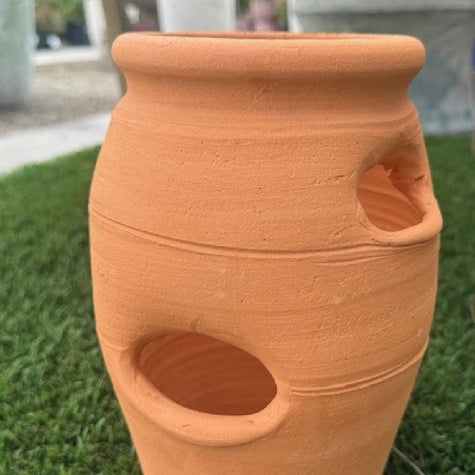
Its naturally cascading growth makes ‘Bonnie’ an excellent choice for hanging baskets and decorative containers.
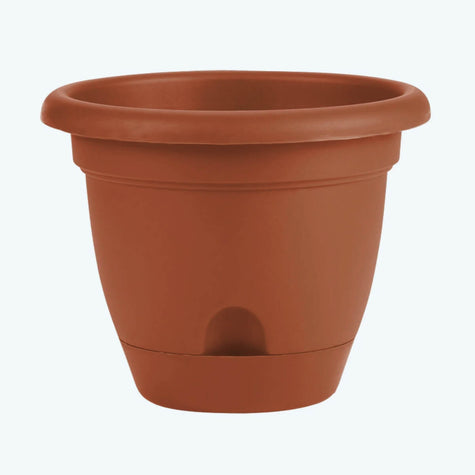
Choose a container with drainage holes and give the foliage room to spill naturally over the edges. Hanging baskets are especially effective for showing off ‘Bonnie’s’ twisting leaves and developing spiderettes.
Pet-Friendly
This delightful houseplant is non-toxic and the perfect match for households with pets. Cats do tend to find spider plants quite enchanting, so you may notice a few harmless chomps out of the leaves. Whether you have dogs or cats, this beautiful houseplant is perfectly safe.

A Natural Indoor-Outdoor Accent
During mild Southern California weather, spider plants can add fresh greenery to a shaded or protected patio.
Keep ‘Bonnie’ protected from harsh direct sunlight and extreme temperatures. When conditions become too hot, cold, or otherwise extreme, move containers to a more sheltered location.
How to Care for Spider Plant ‘Bonnie’
Spider plants are known for being forgiving, making them an excellent choice for beginning plant parents.
Start with a well-draining potting mix, like Armstrong’s E.B. Stone potting mix, and a container with drainage holes. Water thoroughly when the soil begins to dry, allowing excess water to drain away.
Give your plant bright, indirect light and rotate the container occasionally to encourage even growth.
If brown tips appear on the leaves, check your watering routine and consider the quality of your water. Spider plants can be sensitive to mineral and fluoride buildup, which may contribute to browning leaf tips.
Seeing Brown Leaf Tips?
Check your watering routine first. If watering seems appropriate, consider your water quality. Mineral and fluoride buildup may contribute to brown tips on spider plant foliage.
Where to Display Your ‘Bonnie’
The curly foliage of ‘Bonnie’ makes it especially fun to style throughout the home.
Try placing it:
- In a hanging basket near a bright window
- On a bookshelf where its foliage can cascade over the edge
- In a decorative container on a covered patio
- In a bright bathroom
- On a plant stand as a natural focal point
For a layered plant display, pair ‘Bonnie’ with plants that offer contrasting leaf shapes and textures.

A Plant That Keeps on Giving
One of the best features of Spider Plant ‘Bonnie’ is its ability to produce baby plants. Once established, your spider plant may send out long stems featuring small plantlets.
These spiderettes can be rooted in soil to create new plants, making ‘Bonnie’ a fun choice for gardeners who enjoy propagating and sharing plants with friends and family.

Grow It. Propagate It. Share It.
Once established, Spider Plant ‘Bonnie’ can produce baby plants that can be rooted and grown into new plants to enjoy or share.
Visit Your Local ArmstrongSpider Plant ‘Bonnie’ Care Checklist
- Provide bright, indirect or filtered light.
- Protect foliage from intense afternoon sunlight.
- Allow the top inch of soil to dry before watering.
- Avoid keeping the soil consistently soggy.
- Use a well-draining potting mix.
- Choose a container with drainage holes.
- Rotate the container occasionally for even growth.
- Protect outdoor containers from extreme temperatures.
- Check watering and water quality if brown tips develop.
- Root developing spiderettes to grow new plants.
Frequently Asked Questions
Answers to common questions about growing, displaying, and caring for Spider Plant ‘Bonnie’ in your Southern California home.
How much light does Spider Plant ‘Bonnie’ need?
Spider Plant ‘Bonnie’ does best in bright, indirect or filtered light. Too much intense afternoon sunlight can scorch the foliage, while very low light may reduce its vibrant variegation.
How often should I water Spider Plant ‘Bonnie’?
Allow the top inch or so of soil to dry before watering again. Water thoroughly when needed, allow excess water to drain away, and avoid keeping the soil consistently soggy.
Why does my spider plant have brown leaf tips?
If brown tips appear, check your watering routine and consider the quality of your water. Spider plants can be sensitive to mineral and fluoride buildup, which may contribute to browning leaf tips.
Can Spider Plant ‘Bonnie’ grow outside?
During mild Southern California weather, ‘Bonnie’ can add greenery to a shaded or protected patio. Keep it away from intense direct sunlight and move containers to a sheltered location when temperatures become extreme.
Can I propagate the baby spider plants?
Yes. Once established, Spider Plant ‘Bonnie’ may produce small plantlets, often called spiderettes. These can be rooted in soil to create new plants to enjoy or share.
Where should I display Spider Plant ‘Bonnie’?
Its cascading foliage makes ‘Bonnie’ especially attractive in hanging baskets, on bookshelves, on plant stands, in bright bathrooms, or in decorative containers on protected patios.
Add a Little More Green to Your Space
From its playful curly leaves to its easy-care personality, Spider Plant ‘Bonnie’ makes it simple to add fresh greenery to your home. Give it bright, indirect light, well-drained soil, and the right watering routine, and it can reward you with beautiful foliage and plenty of personality.
Ready to grow your own? Visit your local Armstrong Garden Center to find Spider Plant ‘Bonnie’ and discover more easy-care plants for your Southern California home.
