









Camphor Tree
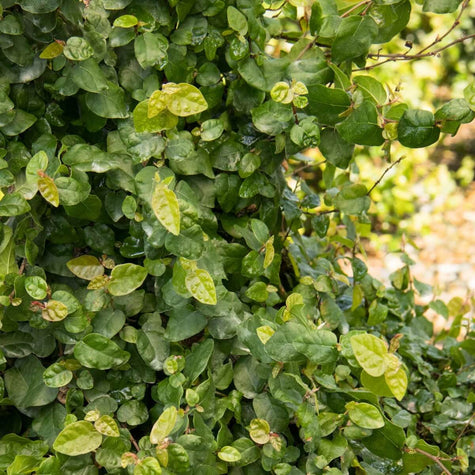
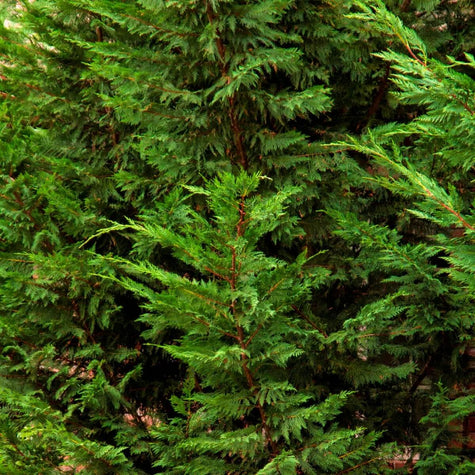
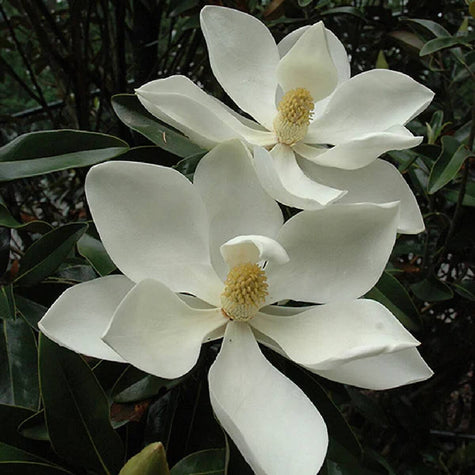
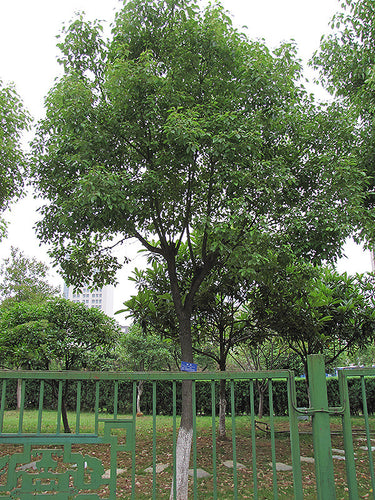
This evergreen tree will eventually become quite large, producing reaching branches of glossy, aromatic green foliage with the scent of camphor; white flowers in spring; will develop into an impressive landscape tree; plant away from structures
 Mature Height: 60 feet
 Mature Width: 50 feet
 Light: Full Sun, Partial Shade
 Camphor Tree
$109.99
/
Camphor Tree
$109.99
/

Check availability at your local Armstrong Garden Center
Details
Camphor Tree is an evergreen tree with an upright spreading habit of growth. Its average texture blends into the landscape, but can be balanced by one or two finer or coarser trees or shrubs for an effective composition.
This is a relatively low maintenance tree, and should only be pruned after flowering to avoid removing any of the current season's flowers. Gardeners should be aware of the following characteristic(s) that may warrant special consideration:
- Invasive
Camphor Tree is recommended for the following landscape applications:
- Accent
- Shade
- Vertical Accent
Features
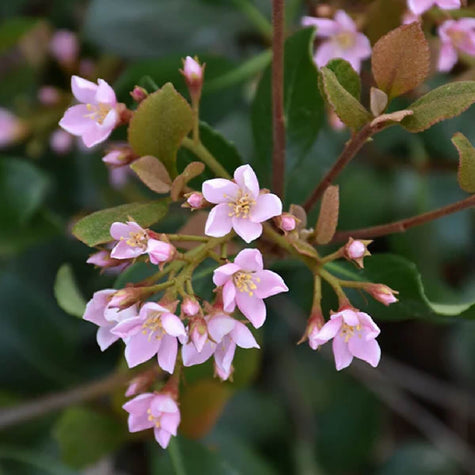
Camphor Tree features showy clusters of lightly-scented white flowers at the ends of the branches from late winter to early spring. It has attractive dark green foliage which emerges light green in spring. The fragrant pointy leaves are highly ornamental and remain dark green throughout the winter. It produces black berries in mid spring. The fruit can be messy if allowed to drop on the lawn or walkways, and may require occasional clean-up.
Care
Planting & Growing
Camphor Tree will grow to be about 60 feet tall at maturity, with a spread of 50 feet. It has a low canopy with a typical clearance of 3 feet from the ground, and should not be planted underneath power lines. It grows at a slow rate, and under ideal conditions can be expected to live to a ripe old age of 150 years or more; think of this as a heritage tree for future generations!
This tree does best in full sun to partial shade. It prefers to grow in average to moist conditions, and shouldn't be allowed to dry out. It is particular about its soil conditions, with a strong preference for sandy, alkaline soils, and is able to handle environmental salt. It is highly tolerant of urban pollution and will even thrive in inner city environments. This species is not originally from North America, and parts of it are known to be toxic to humans and animals, so care should be exercised in planting it around children and pets.
| Evergreen or Deciduous | |
|---|---|
| Family Name | |
| Flower Color | |
| Bloom Time | |
| Foliage Color | |
| Genus Name | |
| Growth Rate | |
| Hardiness Zone | |
| Landscape Uses | |
| Light Needs | |
| Mature Height | |
| Mature Width | |
| Prune Time | |
| Water Needs |