



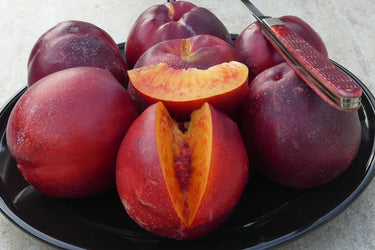

Freckle Face Nectarine
An outstanding nectarine celebrated for its intense flavor; combines very high sugar with just enough acidity for balance; sweet and tangy fruit with an exceptionally long hang time; dark red over yellow skin speckled with sugar spots; self-fruitful.
 Freckle Face Nectarine
$59.99
/
Freckle Face Nectarine
$59.99
/

Check availability at your local Armstrong Garden Center
Details
Freckle Face Nectarine is a deciduous fruit tree with an upright spreading habit of growth. A winner of multiple taste tests, it delivers exceptional flavor at every stage of ripeness, from crisp and firm to soft and juicy.
This tree requires regular seasonal care and is best pruned in late winter once the threat of extreme cold has passed. Gardeners should be aware of the following characteristic(s) that may warrant special consideration:
- Extended hang time on the tree
- High sugar content with balanced acidity
- Decorative, speckled skin
Freckle Face Nectarine is recommended for the following landscape applications:
- Edible Landscaping
- Home Orchards
- Backyard Fruit Trees
Features
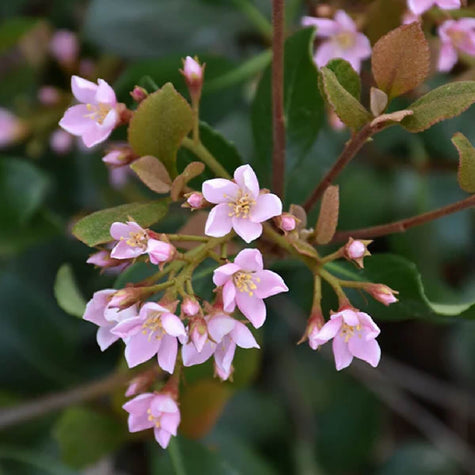
Freckle Face Nectarine is primarily grown for its edible fruit. The nectarines ripen from July through August and feature dark red over yellow skin accented with distinctive sugar speckles. The flesh delivers bold nectarine flavor with a perfect balance of sweetness and tang, satisfying those who prefer firm, crunchy fruit as well as those who enjoy soft, juice-dripping ripeness. This variety’s long hang time allows for a flexible harvest window and peak flavor. Foliage remains green throughout the growing season, and spring flowers provide seasonal interest.
Freckle Face Nectarine fruit is most often used in the following ways:
- Fresh Eating
- Desserts
- Baking
Care
Planting & Growing
Freckle Face Nectarine will grow to be about 15 to 20 feet tall at maturity, with a similar spread. It has a low canopy with a typical clearance of 3 feet from the ground and should not be planted underneath power lines. It grows at a moderate rate and performs reliably in home garden settings.
This tree does best in full sun and prefers well-drained soil. Regular watering is important during establishment and fruit development, though soil should not remain consistently wet. Freckle Face Nectarine requires approximately 400–600 chilling hours and performs best in USDA Zones 6–9. This variety is self-fruitful, so only one tree is needed for fruit production. It is not native to North America.
| Attracts | |
|---|---|
| Evergreen or Deciduous | |
| Family Name | |
| Flower Color | |
| Bloom Time | |
| Foliage Color | |
| Genus Name |