



Japanese Fatsia
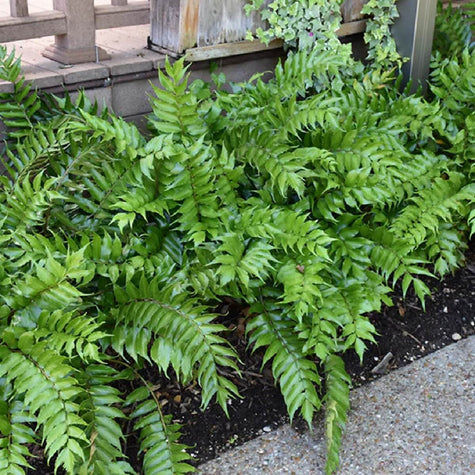
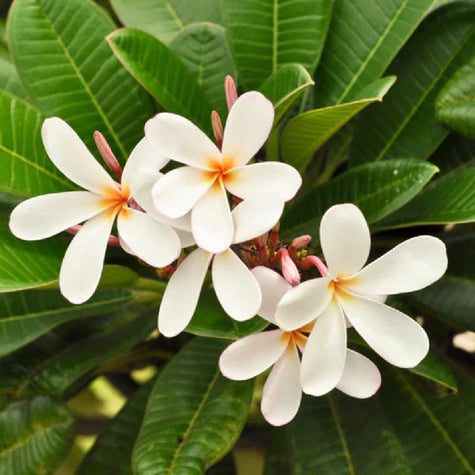
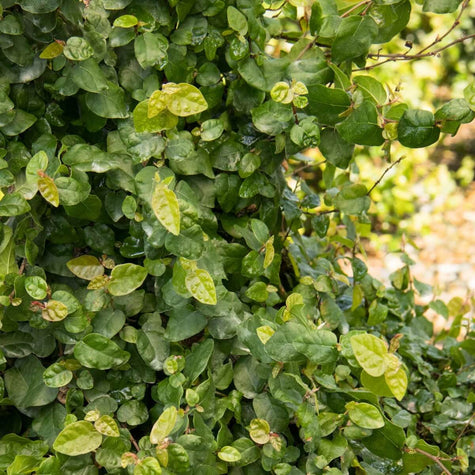
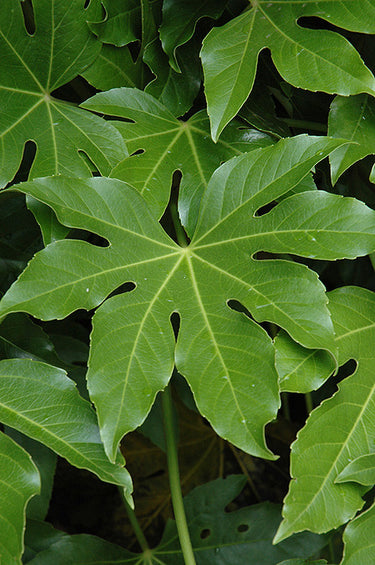
This stunning plant has huge palmate dark green leaves that are its principle attraction; perfect for creating a tropical look in the garden; flowering usually occurs in October followed by fleshy black fruit
 Mature Height: 10 feet
 Mature Width: 10 feet
 Light: Partial Shade, Shade
 Japanese Fatsia
$39.99
/
Japanese Fatsia
$39.99
/

Check availability at your local Armstrong Garden Center
Details
Japanese Fatsia is a multi-stemmed evergreen shrub with an upright spreading habit of growth. Its average texture blends into the landscape, but can be balanced by one or two finer or coarser trees or shrubs for an effective composition.
This shrub will require occasional maintenance and upkeep, and is best pruned in late winter once the threat of extreme cold has passed. Gardeners should be aware of the following characteristic(s) that may warrant special consideration:
- Suckering
Japanese Fatsia is recommended for the following landscape applications:
- Accent
- Mass Planting
- Hedges/Screening
- General Garden Use
Features
Japanese Fatsia features showy clusters of white pincushion flowers rising above the foliage in mid fall. It has attractive green foliage. The large glossy lobed palmate leaves are highly ornamental and remain green throughout the winter. The fruit is not ornamentally significant.
Care
Planting & Growing
Japanese Fatsia will grow to be about 10 feet tall at maturity, with a spread of 10 feet. It has a low canopy, and is suitable for planting under power lines. It grows at a medium rate, and under ideal conditions can be expected to live for 40 years or more.
This shrub does best in partial shade to shade. It does best in average to evenly moist conditions, but will not tolerate standing water. It is not particular as to soil type or pH. It is highly tolerant of urban pollution and will even thrive in inner city environments. This species is not originally from North America.
| Evergreen or Deciduous | |
|---|---|
| Family Name | |
| Flower Color | |
| Bloom Time | |
| Foliage Color | |
| Genus Name | |
| Growth Rate | |
| Hardiness Zone | |
| Landscape Uses | |
| Light Needs | |
| Mature Height | |
| Mature Width | |
| Prune Time | |
| Water Needs |