




Blueberry Grape
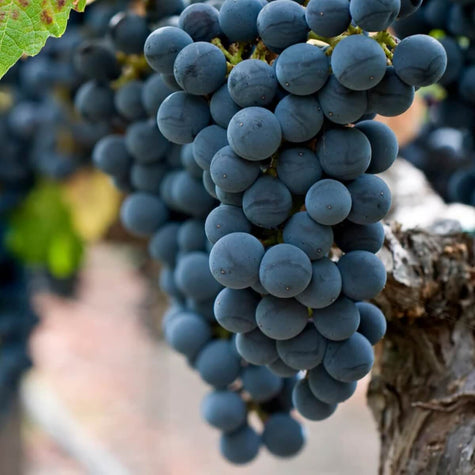
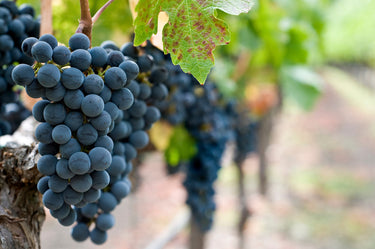
If you like blueberries this is a perfect purple-blue mid sized grape for you. This grape is known for having a slight hint of blueberry flavor.
 Mature Height: 10 feet
 Mature Width: 20 feet
 Light: Full Sun
 Blueberry Grape
$19.99
/
Blueberry Grape
$19.99
/

Check availability at your local Armstrong Garden Center
Details
Edible Qualities
Blueberry Grape is a woody vine that is commonly grown for its edible qualities. It produces clusters of purple-blue round fruit which are usually ready for picking from early to late summer. The fruits have a sweet taste and a juicy texture.
The fruit are most often used in the following ways:
- Fresh Eating
- Preserves
- Juice-Making
- Wine-Making
Features
Blueberry Grape has attractive dark green foliage throughout the season. The lobed leaves are highly ornamental but do not develop any appreciable fall color. The flowers are not ornamentally significant. It produces abundant clusters of purple-blue grapes from early to late summer.
This is a dense multi-stemmed deciduous woody vine with a spreading, ground-hugging habit of growth. Its relatively coarse texture can be used to stand it apart from other landscape plants with finer foliage. This is a high maintenance plant that will require regular care and upkeep, and is best pruned in late winter once the threat of extreme cold has passed. It is a good choice for attracting birds to your yard. Gardeners should be aware of the following characteristic(s) that may warrant special consideration:
- Spreading
Aside from its primary use as an edible, Blueberry Grape is sutiable for the following landscape applications:
- Hedges/Screening
- General Garden Use
Care
Planting & Growing
Blueberry Grape will grow to be about 10 feet tall at maturity, with a spread of 20 feet. As a climbing vine, it should be planted next to a fence, trellis or other rigid structure where it can be trained to grow upwards on it. It grows at a fast rate, and under ideal conditions can be expected to live for approximately 20 years.
This woody vine is typically grown in a designated area of the yard because of its mature size and spread. It should only be grown in full sunlight. It prefers to grow in average to moist conditions, and shouldn't be allowed to dry out. It is not particular as to soil type or pH. It is somewhat tolerant of urban pollution. Consider applying a thick mulch around the root zone in winter to protect it in exposed locations or colder microclimates. This species is not originally from North America.
| Attracts | |
|---|---|
| Evergreen or Deciduous | |
| Family Name | |
| Foliage Color | |
| Genus Name | |
| Edible | |
| Growth Rate | |
| Hardiness Zone | |
| Harvest Season | |
| Landscape Uses | |
| Light Needs | |
| Mature Height | |
| Mature Width | |
| Prune Time | |
| Water Needs |


