









May Pride Peach
A very early-ripening peach ideal for warm winter climates; produces exceptionally large fruit for such an early variety; deliciously sweet and tangy flavor; semi-freestone when fully ripe; low chill requirement and self-fruitful.
 Light: Full Sun
 May Pride Peach
$59.99
/
May Pride Peach
$59.99
/

Check availability at your local Armstrong Garden Center
Details
May Pride Peach is a deciduous fruit tree with an upright spreading habit of growth. Developed for regions with mild winters, it performs reliably in warm climates and produces fruit early in the season.
This tree requires regular seasonal care and is best pruned in late winter once the threat of extreme cold has passed. Gardeners should be aware of the following characteristic(s) that may warrant special consideration:
- Very early harvest
- Low chill requirement
- Large fruit size for early season
May Pride Peach is recommended for the following landscape applications:
- Edible Landscaping
- Backyard Orchards
- Warm-Climate Gardens
Features
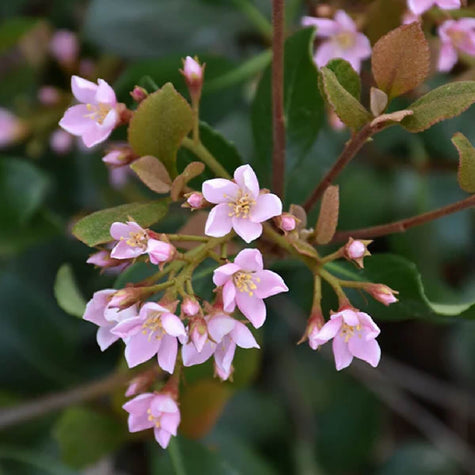
May Pride Peach is primarily grown for its edible fruit. The very large peaches ripen from late May through early June, offering a sweet yet tangy flavor. When fully ripe, the fruit becomes semi-freestone, making it easy to enjoy fresh. In addition to fruit production, this variety is noted for its large, showy pink blossoms in spring. Foliage remains green throughout the growing season.
May Pride Peach fruit is most often used in the following ways:
- Fresh Eating
- Baking
- Desserts
Care
Planting & Growing
May Pride Peach will grow to be about 15 to 20 feet tall at maturity, with a similar spread. It has a low canopy with a typical clearance of 3 feet from the ground and should not be planted underneath power lines. It grows at a moderate rate and can be expected to live for many years under ideal conditions.
This tree does best in full sun and prefers well-drained soil. Regular watering is important during establishment and fruit development, though soil should not remain constantly wet. May Pride Peach requires approximately 150–200 chilling hours and performs best in USDA Zones 7–10. This variety is self-fruitful, so only one tree is needed for fruit production. It is not native to North America.
| Attracts | |
|---|---|
| Evergreen or Deciduous | |
| Family Name | |
| Flower Color | |
| Bloom Time | |
| Foliage Color | |
| Genus Name | |
| Light Needs | |
| Water Needs |