



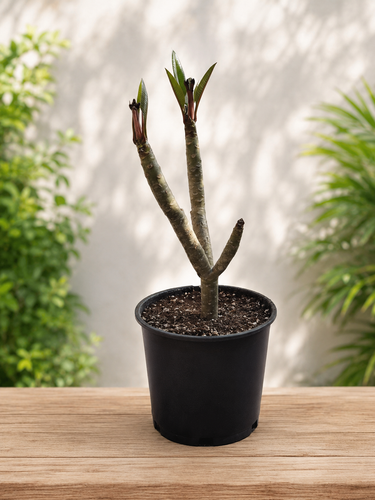


Plumeria 'Yellow Gold'
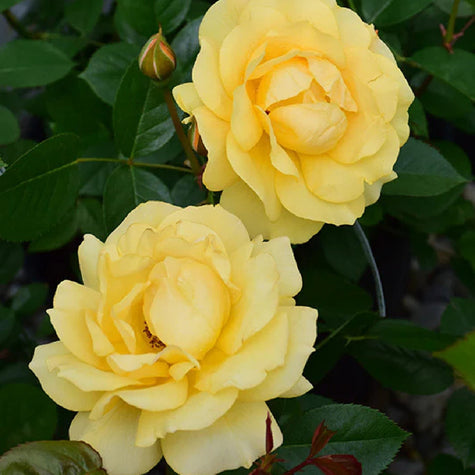
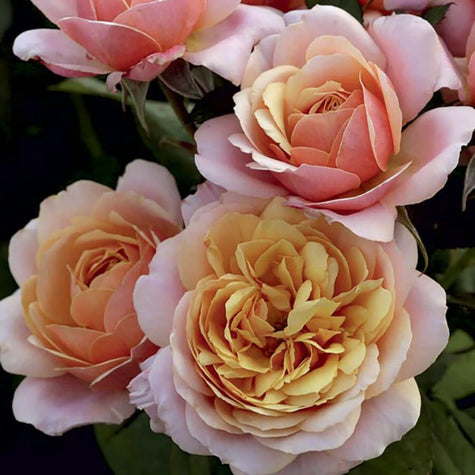
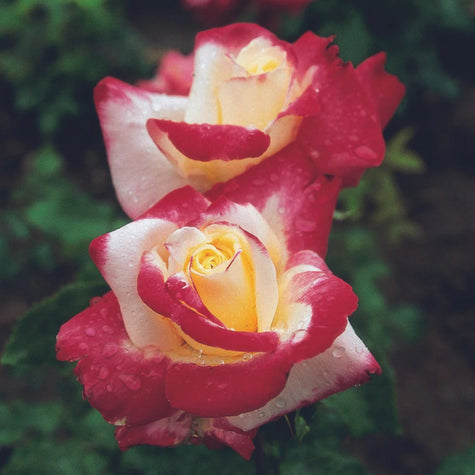
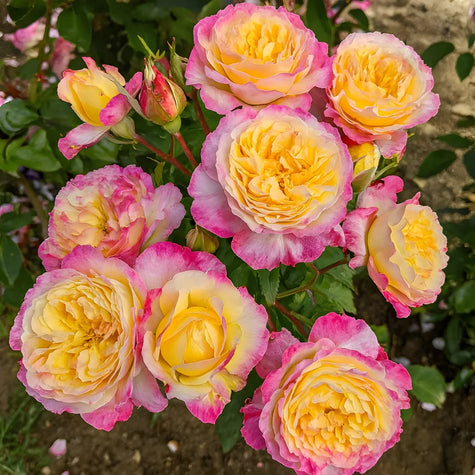
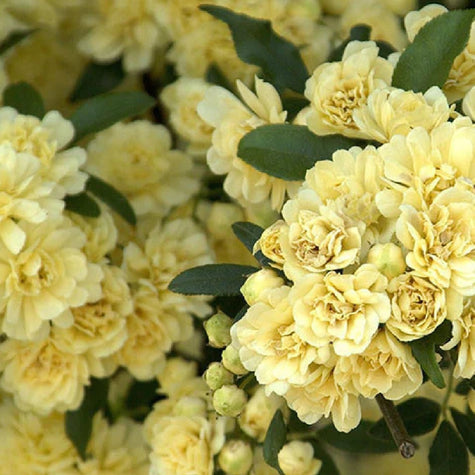
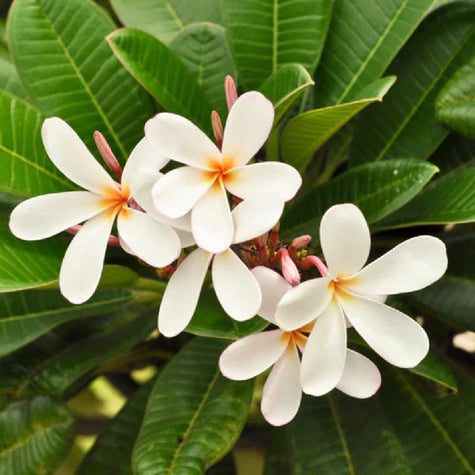
A standout, hard-to-find hybrid, ‘Yellow Gold’ is a must-have for collectors, prized for its glowing golden blooms that bring a warm, sunlit presence to the garden. Its vibrant flower clusters rise above rich green foliage, creating a bold tropical statement perfect for patios and sunny landscapes.
In many cultures, plumeria has a special meaning. In Hawaii, the flowers are used to make leis, symbolizing welcome, friendship, and celebration. In other parts of the world, plumeria represents love, new beginnings, and positivity. Because the plant can bloom even after being cut and replanted, it is also seen as a symbol of resilience and growth.
 Mature Height: 15 feet
 Mature Width: 15 feet
 Light: Full Sun, Partial Shade
 Plumeria 'Yellow Gold'
$49.99
/
Plumeria 'Yellow Gold'
$49.99
/

Check availability at your local Armstrong Garden Center
Details
This shrub will require occasional maintenance and upkeep, and should only be pruned after flowering to avoid removing any of the current season's blooms. Deer tend to avoid this plant. Gardeners should be aware of the following characteristic(s) that may warrant special consideration:
- Insects
- Sap may irritate skin
Plumeria 'Yellow Gold' is recommended for the following landscape applications:
- Accent
- Patio Tree
- General Garden Use
- Container Planting
Features
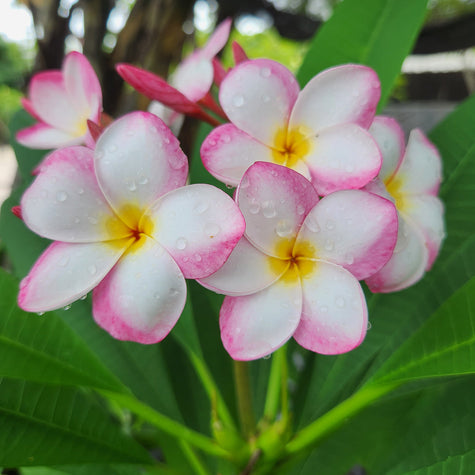
Plumeria 'Yellow Gold' produces showy clusters of fragrant, golden-yellow trumpet-shaped flowers with warm centers at the ends of the branches from late spring through summer. Glossy, deep green foliage provides bold contrast throughout the season. The leaves do not develop any significant fall color. The fruit is not ornamentally significant.
``Care
Planting & Growing
Plumeria 'Yellow Gold' will grow to be about 12 to 15 feet tall at maturity, with a spread of 10 to 15 feet. It has an upright, open, and somewhat leggy habit with a typical clearance of 2 to 3 feet from the ground, and is suitable for planting under power lines. It grows at a medium rate and can live for many years under ideal conditions.
This shrub thrives in full sun and performs best with 6 to 8 hours of direct sunlight for maximum flowering. It prefers well-drained soil, especially sandy or loamy mixes, and does not tolerate standing water. Once established, it is drought-tolerant and well-suited for water-wise landscapes. It is somewhat tolerant of salt and urban pollution. This plant is not native to North America, and its milky sap may be toxic if ingested and can irritate skin, so care should be taken around children and pets. It can be propagated by cuttings.
It is well-suited for outdoor pots and containers, especially where it can be moved to shelter during cold weather. Container-grown plants may stay smaller and typically require more frequent watering than in-ground plants.
``| Deer Resistant | |
|---|---|
| Evergreen or Deciduous | |
| Family Name | |
| Bloom Time | |
| Foliage Color | |
| Genus Name | |
| Growth Rate | |
| Hardiness Zone | |
| Landscape Uses | |
| Light Needs | |
| Mature Height | |
| Mature Width | |
| Prune Time | |
| Water Needs | |
| Waterwise |