




Strawberry Sequoia
 Mature Height: 12 inches
 Mature Width: 12 inches
 Light: Full Sun, Partial Shade
 Strawberry Sequoia
$6.99
/
Strawberry Sequoia
$6.99
/

Check availability at your local Armstrong Garden Center
Details
Edible Qualities
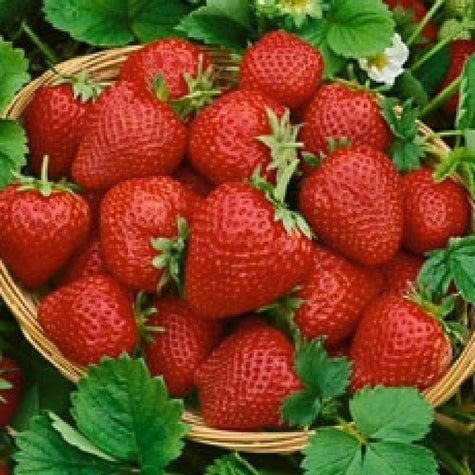
Sequoia Strawberry is a perennial that is typically grown for its edible qualities. It produces large, bright red berries that are usually ready for picking from late spring into early summer, with additional harvests possible with good care and mild conditions. The berries have a rich, sweet flavor and a juicy texture, making this variety a longtime favorite for home gardens.
The berries are most often used in the following ways:
- Fresh Eating
- Baking
- Preserves
Features
Sequoia Strawberry produces small white flowers with yellow centers in spring, followed by abundant, showy red fruit. Its trifoliate (three-part) green leaves remain attractive throughout the season, and the plant spreads by runners to fill in garden beds over time.
This is an herbaceous perennial with a spreading, ground-hugging habit of growth. It has a relatively fine texture and is well-suited for edible beds, raised planters, and containers. For best production, remove old leaves after harvest and thin runners as needed to keep plants productive.
Gardeners should be aware of the following characteristic(s) that may warrant special consideration:
- Spreading (by runners)
Aside from its primary use as an edible, Sequoia Strawberry is suitable for the following landscape applications:
- Border Edging
- General Garden Use
- Groundcover
- Container Planting
- Raised Beds
Care
Planting & Growing
Sequoia Strawberry will grow to be about 6-10 inches tall at maturity, with a spread of 12-24 inches as it fills in via runners. It grows at a fast rate and is commonly grown as a short-lived perennial, with peak production often in the first 1-3 years.
This plant is typically grown in a designated edibles garden. It does best in full sun for best fruiting, though partial shade can help in hotter inland areas. It prefers rich, well-draining soil and does best in evenly moist conditions; avoid letting the soil dry out completely, especially during flowering and fruit set. Strawberries do not tolerate standing water.
Consider applying mulch (such as clean straw) around the plants to conserve moisture, keep fruit clean, and reduce weed pressure. Pinch or manage runners depending on your goal: allow runners to fill in for groundcover production, or remove runners to concentrate energy into fruit production. Fertilize lightly during the growing season, and provide consistent watering for the best flavor and berry size.
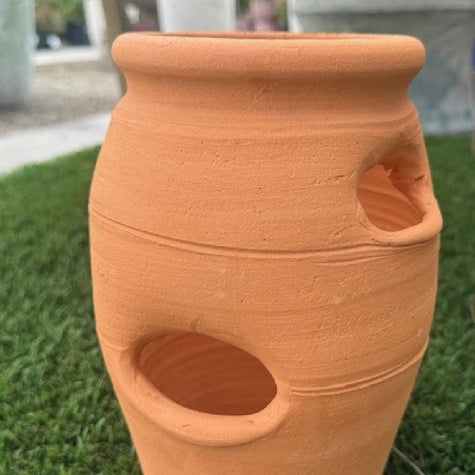
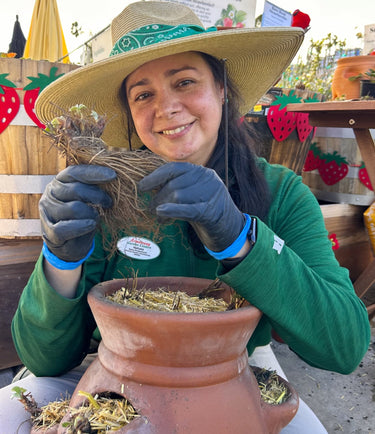
Sequoia Strawberry is also well-suited for outdoor pots and containers. Plant near the edges where it can spill gracefully over the rim, and note that containers will require more frequent watering than in-ground plantings.
| Attracts | |
|---|---|
| Deer Resistant | |
| Evergreen or Deciduous | |
| Family Name | |
| Flower Color | |
| Bloom Time | |
| Foliage Color | |
| Genus Name | |
| Edible | |
| Growth Rate | |
| Hardiness Zone | |
| Harvest Season | |
| Landscape Uses | |
| Light Needs | |
| Mature Height | |
| Mature Width | |
| Prune Time | |
| Water Needs |