

















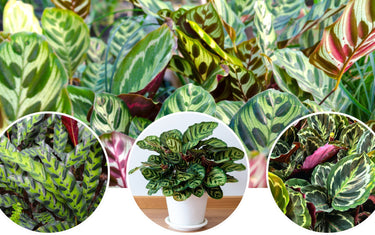
The Stunning Houseplant Known for Its Beautiful Foliage: Calathea
When it comes to eye-catching indoor plants, few can rival the beauty of a Calathea. Renowned for its intricate leaf patterns, vibrant colors, and unique daily movements. Yes, you read that right, an indoor plant that puts on a daily show with it’s leaves. Calathea has become a favorite among houseplant enthusiasts and interior decorators alike.
Whether you're looking to add texture, color, or a touch of the tropics to your home, this remarkable plant is an excellent choice and that is why it is our Armstrong Garden Center’s Houseplant of the Month.
What You’ll Find in This Guide
What’s Taking Root
Your essential Calathea care tips at a glance:
- Place Calathea in bright, indirect light.
- Keep the soil consistently moist but not soggy.
- Use filtered, distilled, or rainwater when possible.
- Maintain humidity levels above 50%.
- Protect the plant from cold drafts and air conditioning vents.
- Use a well-draining potting mix designed for tropical houseplants.
What Is a Calathea?
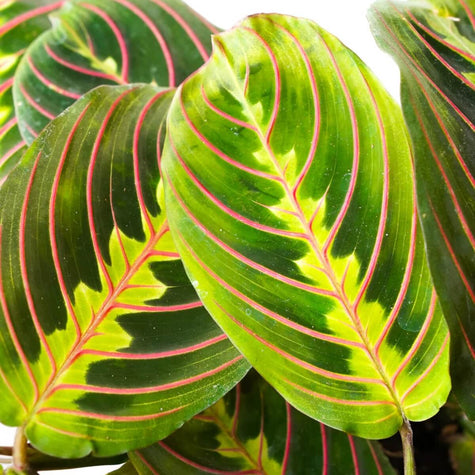
Calathea is a genus of tropical plants native to the rainforests of South and Central America. These plants are prized for their interesting and stunning foliage, which features striking patterns in shades of green, silver, cream, purple, and pink. Many varieties also display richly colored undersides, adding even more visual interest.
Calatheas are often referred to as "prayer plants" because their leaves move throughout the day, gently opening and closing in response to changing light conditions.
Why Choose a Calathea?
Beautiful Decorative Foliage
The primary appeal of Calathea lies in its stunning leaves. Popular varieties such as Calathea Medallion and Calathea Rattlesnake each offer unique patterns and textures that instantly elevate indoor spaces.
Pet-Friendly Plant
For our fur loving households, Calathea is a safe choice for cats and dogs. It is considered non-toxic to pets, making it a worry-free addition to your indoor plant collection.
Natural Tropical Appeal
Calathea brings a lush, tropical feel to homes, offices, and indoor gardens. Its elegant foliage creates a calming atmosphere while adding natural beauty to any room.
Calathea Care Guide
Light Requirements
Calatheas prefer bright, indirect light. In their native rainforest habitat, they grow beneath a canopy of trees, protected from direct sunlight. Too much direct sun can fade or scorch the leaves, while insufficient light may slow growth.
Watering
Keep the soil consistently moist but not soggy. Allow the top layer of soil to dry slightly between waterings. Calatheas are sensitive to water quality, so filtered, distilled, or rainwater is often preferred.
Helpful Tip: We highly recommend a moisture meter as a tool in your toolbox to support understanding when it’s time to water your indoor plants.
Humidity
High humidity is essential for healthy Calathea growth. These tropical plants thrive in humidity levels above 50%. Consider placing them near a humidifier or grouping them with other plants to increase moisture in the air.
Temperature
Calatheas prefer temperatures between 65°F and 80°F. Protect them from cold drafts, sudden temperature fluctuations, and air conditioning vents.
Soil
A well-draining potting mix that retains some moisture works best. A blend designed for tropical houseplants is ideal for supporting healthy root development. Check out our XXX soil, highly recommended for indoor plants like Calathea.
Our Featured and Popular Calathea Varieties
Calathea Medallion
Known for its large, round leaves featuring intricate green and silver patterns with deep purple undersides.

Calathea Rattlesnake
This distinctive variety features long, wavy leaves marked with dark green patterns and rich purple undersides.

Decorating With Calathea
Calatheas work beautifully as tabletop accents, shelf displays, or floor plants depending on the variety. Their bold foliage pairs well with minimalist décor, contemporary interiors, and tropical-inspired spaces. They also complement other popular houseplants such as pothos, monstera, and peace lilies.
Frequently Asked Questions About Calathea
Why do Calathea leaves move throughout the day?
Calatheas are often referred to as "prayer plants" because their leaves move throughout the day, gently opening and closing in response to changing light conditions.
What type of light does a Calathea need?
Calatheas prefer bright, indirect light. Too much direct sun can fade or scorch the leaves, while insufficient light may slow growth.
How often should I water a Calathea?
Keep the soil consistently moist but not soggy. Allow the top layer of soil to dry slightly between waterings, and consider using a moisture meter to help determine when it is time to water.
What type of water is best for Calathea?
Calatheas are sensitive to water quality, so filtered, distilled, or rainwater is often preferred.
How much humidity does a Calathea need?
High humidity is essential for healthy Calathea growth. These tropical plants thrive in humidity levels above 50%. Placing them near a humidifier or grouping them with other plants can help increase moisture in the air.
Is Calathea safe for cats and dogs?
Calathea is considered non-toxic to cats and dogs, making it a worry-free addition to indoor plant collections in fur loving households.
Bring Home a Living Work of Art
Calathea is more than just a houseplant, it is truly a living work of art. With its intricate foliage patterns, pet-friendly nature, and tropical elegance, it brings beauty and character to any indoor environment. While it appreciates a little extra attention when it comes to humidity and watering, the reward is a healthy, vibrant plant that serves as a stunning focal point year-round.
For plant lovers seeking exceptional foliage and a touch of the tropics, we at Armstrong Garden Centers highly recommend the Calathea as a standout addition to any indoor collection.


