
















The Soil is Alive!
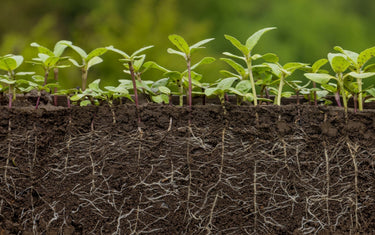
Just one handful of biologically active soil can contain billions of microorganisms, including bacteria, fungi, and other microscopic life. Together with earthworms, insects, roots, and decomposing organic matter, these organisms form a busy underground ecosystem that breaks down materials, cycles nutrients, and helps create the conditions plants need to thrive.
Essential Nutrients
Plants need at least 17 essential elements to complete their life cycle, but three get most of the attention: nitrogen, phosphorus, and potassium, or N-P-K. Nitrogen supports leafy green growth, phosphorus plays an important role in roots, flowers, and energy transfer, and potassium helps regulate water and many of the processes that keep plants functioning. The fascinating part is that nutrients can already be present in your soil but unavailable to plants because of factors like soil pH, moisture, or microbial activity. Good soil is not simply about having nutrients, but making them accessible.

Texture & Drainage
Roots need water, but they also need oxygen. That is why good soil behaves a little like a sponge, holding moisture in tiny pore spaces while allowing excess water to drain and fresh air to move through. Compacted or poorly structured soil can squeeze out those valuable air pockets, making it harder for roots and soil organisms to breathe. Adding organic matter over time helps soil form stable aggregates, creating that coveted crumbly texture gardeners love.
Sand, Clay & Loam
Soil texture comes down largely to the proportion of three mineral particle sizes: sand, silt, and clay. Sand has the largest particles and drains quickly, while clay particles are incredibly tiny and have a large surface area that can hold onto water and nutrients. Loam is a balanced mixture of sand, silt, and clay that generally offers both moisture retention and drainage. Rather than trying to completely change your natural soil type, focus on improving its structure with organic matter and working with what you have.

Soil texture test: Find out what kind of native soil you have by digging a shovelful of unamended soil in your garden. Wet the soil and grab a handful - does it stick together and create a mold of your hand? It’s clay! Does it fall apart and dry quickly? You’ve got sand!
Both sand and clay soil benefit from adding organic matter. Mix your native soil with Planting Mix at a 1-to-1 ratio to create an ideal growing environment for your plants.
Worms & Worm Castings
Earthworms are some of the garden’s hardest-working residents. As they move through soil, their tunnels can improve aeration and create pathways for water and roots, while they consume decomposing organic material along the way. What comes out the other end is known as worm castings, a rich soil amendment containing plant-available nutrients and beneficial microorganisms.
Earthworms do the dirty work of turning organic matter into easily accessible nutrients for your plants. Add Worm Gold, made of pure worm castings, for an organic boost that also improves the texture of your soil.

Beneficial Bacteria
A thriving garden has an enormous microbial workforce that you will never see. Beneficial soil bacteria help decompose organic matter and participate in nutrient cycling, transforming nutrients into forms plants can use. Some bacteria living in partnership with legumes can even take nitrogen gas from the atmosphere and convert it into biologically useful compounds through nitrogen fixation. Keeping soil covered, adding organic matter, and avoiding unnecessary disturbance can help support this microscopic community.
Mycorrhizal Networks
Some fungi form remarkable partnerships with plant roots called mycorrhizae. Their threadlike structures, known as hyphae, extend into spaces in the soil that roots cannot easily reach, helping plants access water and nutrients, especially phosphorus. In exchange, the plant supplies the fungi with carbon-rich compounds made through photosynthesis. Think of it as an extension of the root system, with plants and fungi trading resources in a relationship that has existed for hundreds of millions of years.
Roots have their own underground social network that connects them with water, nutrients, and even other plants! Beneficial mycorrhizae link root tips with essential nutrients and help your plants grow faster & stronger. Add Sure Start with all new plantings for a boost of mycorrhizae right at the root zone.

Build Beautiful, Living Soil at Home
Building great soil is a process, not a one-time project. Add compost and other organic amendments, keep bare soil protected with natural mulch, minimize unnecessary compaction and disturbance, and give soil organisms plenty of organic material to work with. Over time, these simple habits can improve structure, water retention, drainage, and nutrient cycling. Feed the soil, and the soil can do much of the work of supporting your garden.
And the Mulch On Top
Recreate nature and finish your garden beds with all-natural, biodegradable bark mulch. Mulching helps retain moisture, maintain soil temperatures, and even prevent weeds. Mulch has long-term benefits because it slowly breaks down, adding much-needed organic material to your soil while protecting the underground ecosystem from harsh environmental conditions.

8 Reasons to Build Organic, Living Soil in Your Backyard
-
Water Retention: Living soil holds onto moisture longer, helping California gardens thrive with less supplemental water.
-
Support Local Wildlife & Pollinators: Healthy soil grows healthier, more resilient plants that provide food and habitat for the wildlife around us. Worms, fungi, bacteria, insects, birds, and pollinators are all connected. Supporting life below ground helps create a richer ecosystem above it.
-
Keep Carbon in the Ground: Building soil organic matter stores carbon in the soil while supporting the organisms that keep it cycling through a living ecosystem.
-
Turn Garden Waste into Garden Gold: Composting leaves, clippings, and other plant material returns nutrients to the soil and keeps useful organic matter in the garden. In California, you can add your organic waste to the compost bin, and your city will turn it into compost for you!
-
Grow More, Work Less: Soil with good structure, moisture retention, and nutrient cycling creates better growing conditions naturally, reducing the need to constantly intervene. Healthy soil often means fewer pests and less stress.
-
Cool Down Your Garden: Organic matter, mulch, and plant cover protect bare soil from the California sun, helping moderate soil temperatures and reduce evaporation.
-
Build a Garden That Can Handle California: Deeper roots and healthier soil help plants better withstand heat, dry periods, and other environmental stresses.
-
Create a Healthier Place to Live: A thriving garden offers more than beautiful plants. It can mean more shade, more wildlife, more time enjoying the beauty of nature.


