





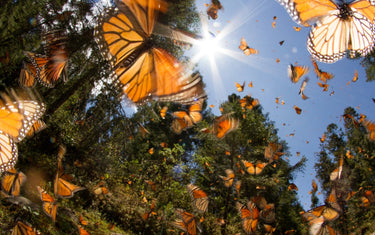
Make Way for Monarchs
Monarch butterflies are famous travelers, making one of the most remarkable migrations in the insect world. Here in California, western monarchs migrate to overwintering sites along the coast, then spread out across the West again in spring. Southern California is also home to some non-migratory monarchs that can be seen year-round.
Unfortunately, western monarchs have declined dramatically from their historic numbers, making good habitat more important than ever. The good news? You don’t need acres of open space to help.
Even if you only have room for one pot, you can provide food and shelter for butterflies and other pollinators. Here’s how to turn a patio, backyard, or garden bed into a tiny butterfly waystation.
What You’ll Find in This Guide
Migration
Monarchs east of the Rockies can migrate as far as 3,000 miles to Mexico. Western monarchs generally travel shorter distances between breeding areas throughout the West and overwintering sites along coastal California, although some western monarchs have been documented traveling all the way to Mexico.
Winter Retreat in California

Migratory western monarchs generally begin returning to California’s coastal overwintering sites in the fall. They spend the winter clustered in protected groves before departing around February to begin breeding again. In Southern California, you may also encounter resident monarchs that remain in the region throughout the year.
One Migration Takes a Family Effort
Western monarchs typically produce about four generations per year. The butterflies leaving California’s overwintering sites in late winter aren’t necessarily the same individuals that return the following fall, because the annual cycle unfolds across successive generations.
Support the Next Generation: Plant Milkweed for Caterpillars

A butterfly garden needs food for grown-ups and babies.
Adult monarchs drink nectar from many kinds of flowers, but monarch caterpillars have a much more particular menu: they depend on milkweed. Female monarchs seek out milkweed to lay their eggs, and the leaves become food for the caterpillars after they hatch.
For much of Southern California, narrowleaf milkweed (Asclepias fascicularis) is an excellent native option. Depending on your exact location, other California-native milkweeds may also be appropriate.
Important Southern California Tip:
Location matters. The Xerces Society recommends avoiding milkweed within one mile of the coast south of Santa Barbara because milkweed growing close to overwintering sites may interfere with normal overwintering behavior.
In Southern California’s mild climate, tropical milkweed (Asclepias curassavica) can remain green through winter. Year-round milkweed can encourage monarchs to keep breeding instead of migrating and can contribute to the transmission of the monarch parasite Ophryocystis elektroscirrha, commonly called OE.
If you do have Tropical Milkweed, we recommend cutting it down to the ground in October to prevent OE.
Garden Tip: Caterpillars are supposed to eat your milkweed. Chewed leaves and bare stems are a sign that your butterfly nursery is open for business.
Offer a Dependable Food Source

Keep the Nectar Bar Open
Adult butterflies need nectar for energy, so aim for a succession of blooms rather than one spectacular week of flowers.
A butterfly-friendly garden might include California-friendly favorites such as:
- Yarrow (Achillea millefolium) — flat flower clusters make convenient butterfly landing pads.
- Lantana — Prolific bloom clusters with bright colors and a consistent nectar source nearly year-round.
- Echinacea — Easy landing pads for butterflies, and loads of pollen and nectar to feed them summer through fall.
- Salvias — aromatic, colorful plants visited by butterflies, bees, and hummingbirds.
Choose species suited to your particular part of Southern California whenever possible. A plant native to your local ecosystem is more likely to fit your climate, soil, and wildlife community.
Butterflies are especially attracted to easily accessible flowers and clusters of blooms. Flat-topped flowers such as yarrow provide handy places to land, while planting flowers in noticeable groups makes your garden easier to find.
Think of your planting plan as a seasonal buffet: something should always be blooming.
Provide Water and Minerals

Build a Butterfly Puddle
Butterflies don't need a swimming pool. In fact, a deep dish of open water isn't particularly useful to them.
Adults obtain much of the water they need from nectar, but many butterflies also practice a behavior called “puddling.” They land on damp soil or sand and sip moisture containing dissolved salts and minerals.
You can recreate this with a simple puddling station.
Create a Butterfly Puddling Station
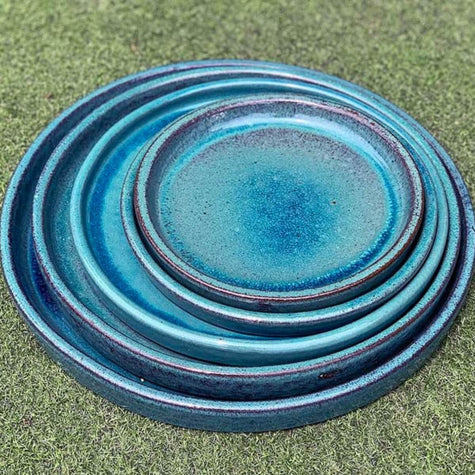
Fill a shallow plant saucer with sand and a little garden soil, add a few flat stones for landing spots, and keep the mixture damp rather than flooded.
If you already have a wildlife pond, create shallow, gently sloping edges with damp soil, gravel, or rocks where insects can safely land.
Bonus: When several butterflies gather around a damp patch of soil, you've got yourself a puddle club.
Give Them a Place to Rest
Create a Little Shelter
Butterflies appreciate sunny gardens, but they also need protection from wind and weather.
Trees, shrubs, vines, grasses, and leafy perennials can all provide places for butterflies to shelter. Instead of creating an exposed garden made entirely of flowers, include plants of different heights and densities.
A shrub or evergreen near your pollinator patch can serve as a windbreak, while rocks placed in a sunny location offer butterflies a warm surface for basking.
The ideal butterfly garden has a little of everything: sun for warming up, flowers for refueling, host plants for raising caterpillars, and sheltered vegetation for taking a break.
And perhaps most importantly, skip broad-spectrum insecticides whenever possible. A product designed to kill pest insects can also harm the butterflies, caterpillars, and other beneficial insects you're trying to welcome.
Butterfly Waystation Recipe for One Container

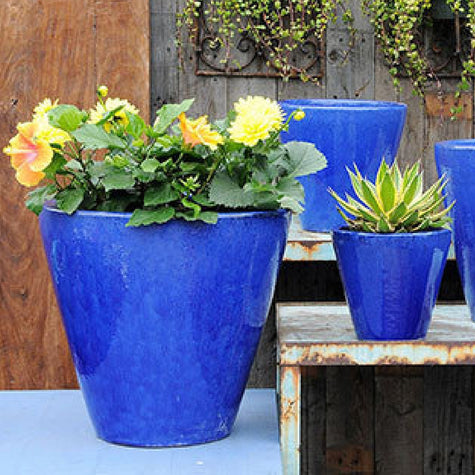
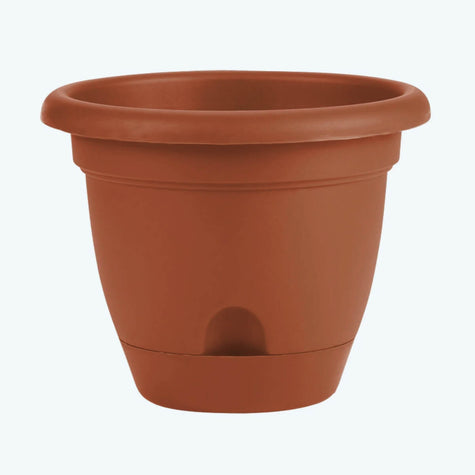
No backyard? No problem. For a sunny patio or balcony, start with one generously sized container with good drainage.
Plant
- 1 locally appropriate native milkweed, such as narrowleaf milkweed
- 1 compact, nectar-rich perennial, such as yarrow or echinacea
- 1 trailing or compact flowering plant appropriate to your local conditions
Place the container where it receives plenty of sun but has some protection from strong winds.
Add a shallow saucer of damp sand nearby for puddling.
Recipe for a Pollinator Corner

Have a sunny corner of the yard to spare? Create a mini habitat with layers.
Start With
- 3–4 native milkweed plants — they get eaten quickly!
- 2-3 landing pad flowers such as yarrow or echinacea
- 2-3 nectar-rich favorites with a long bloom period like lantana or ageratum
- A shallow butterfly puddling station
- A few flat rocks for basking
Group several plants of the same species together rather than planting one of everything. The larger patches of color and flowers are easier for visiting pollinators to spot.
Choose plants with overlapping bloom periods so the corner provides nectar from spring through summer and into fall.
Recipe for a Pollinator Garden

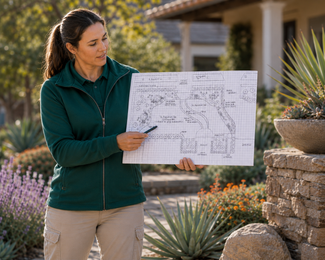
Ready to go all in? Think less about creating a formal flower bed and more about building a miniature ecosystem.
Create three layers:
The Shelter Layer
Use native shrubs or small trees to create structure, wind protection, and places for wildlife to rest.
The Nectar Layer
Plant generous drifts of native flowering plants. Combine spring bloomers with plants such as buckwheats and asters that can keep providing resources later in the season.
The Nursery Layer
Add locally appropriate host plants for butterflies. For monarchs, that means native milkweed. Other native host plants can attract entirely different butterfly species, turning your monarch garden into a habitat for a whole neighborhood of pollinators.
Finish with sunny basking rocks and a damp puddling station.
Then resist the temptation to make everything perfectly tidy. A wildlife garden can have nibbled leaves, spent flower heads, fallen leaves, and the occasional caterpillar munching its way through a plant. These are signs that the garden is being used and enjoyed.
Every Garden Can Make a Difference
One pot won't restore the western monarch population on its own. But thousands of gardens, patios, schools, parks, and community spaces filled with the right plants can create valuable patches of habitat across the landscape.
Your backyard might be small to you. To a hungry butterfly, it can look like the perfect place to stop.
 Frequently Asked Questions About Monarch Gardens
What plant do monarch caterpillars need?
Monarch caterpillars depend on milkweed for food. Female monarchs seek out milkweed to lay their eggs, and the leaves feed the caterpillars after they hatch.
What milkweed is recommended for Southern California?
For much of Southern California, narrowleaf milkweed (Asclepias fascicularis) is an excellent native option. Other California-native milkweeds may also be appropriate depending on your specific location.
Should I plant milkweed near the Southern California coast?
Location matters. The Xerces Society recommends avoiding milkweed within one mile of the coast south of Santa Barbara because milkweed near overwintering sites may interfere with normal overwintering behavior.
What should I do with tropical milkweed in fall?
In Southern California’s mild climate, tropical milkweed can remain green through winter. If you have Tropical Milkweed, we recommend cutting it down to the ground in October to help prevent OE.
How can I provide water for butterflies?
Create a puddling station by filling a shallow plant saucer with sand and a little garden soil. Add several flat stones for landing spots and keep the mixture damp rather than flooded.
Can I create a butterfly garden in a container?
Yes. A generously sized container with good drainage can combine locally appropriate native milkweed, a nectar-rich perennial, and another flowering plant. Place it in a sunny area protected from strong winds and add a nearby puddling station.
Make Your Garden a Stop Along the Way
Creating habitat for monarchs doesn’t require a huge garden. By providing the right host plants, nectar-rich flowers, water, shelter, and sunny places to rest, even a patio container or small corner of your yard can become a valuable stop for butterflies and other pollinators.
Visit your local Armstrong Garden Centers and let our garden experts help you choose plants suited to your Southern California garden and create a pollinator-friendly space that can provide food and shelter throughout the seasons.
Sources
U.S. Fish & Wildlife Service — Endangered and Threatened Wildlife and Plants; Threatened Species Status With Section 4(d) Rule for Monarch Butterfly and Designation of Critical Habitat.
Xerces Society for Invertebrate Conservation — Western Monarch Conservation.
Monarch Joint Venture — Western Population Migrations.
California Native Plant Society — Gardening for Butterflies.
UC Agriculture and Natural Resources / UC Master Gardeners — Gardening for Butterflies and Butterfly Garden Tips.


