






July Lawn & Garden Tips for Southern California
July brings peak summer heat to Southern California, but it can also be one of the most colorful and productive months in the garden. A few timely adjustments to watering, pruning, feeding, and planting can help your landscape stay healthy throughout the hottest part of the season.
This guide walks through the most important July tasks for flowers, edible gardens, lawns, houseplants, and outdoor living spaces.
What’s Taking Root This Month
Your July priorities at a glance.
- Water deeply in the morning and use mulch to protect roots and conserve moisture.
- Refresh tired flowers and containers with heat-loving plants that thrive through summer.
- Harvest vegetables often, feed actively growing plants, and watch lawns for heat stress.
What You’ll Find in This July Garden Guide
Keep Your Garden Thriving Through the Heat
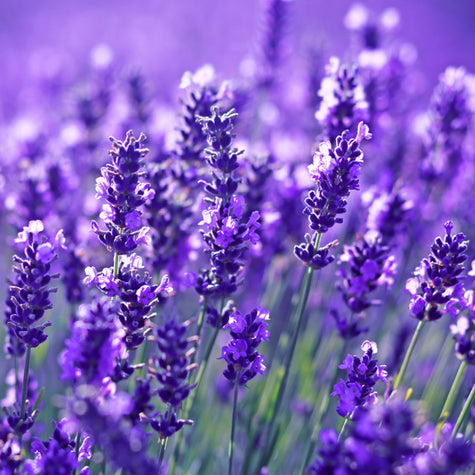
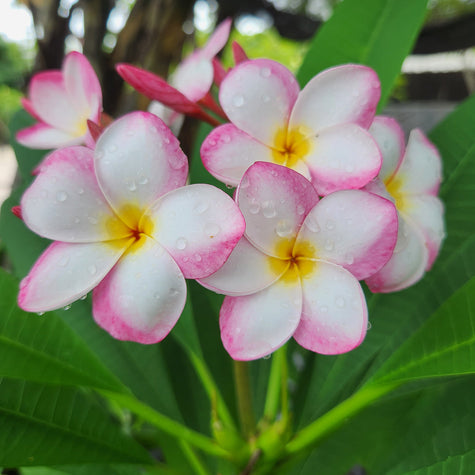
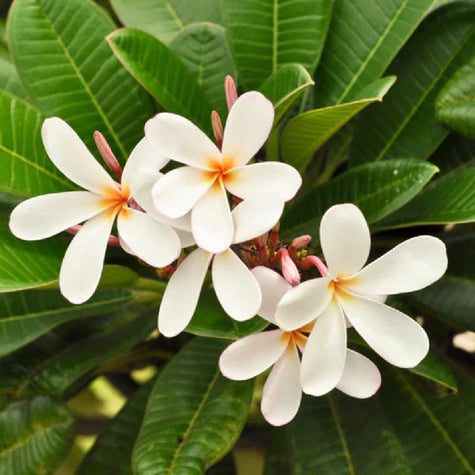
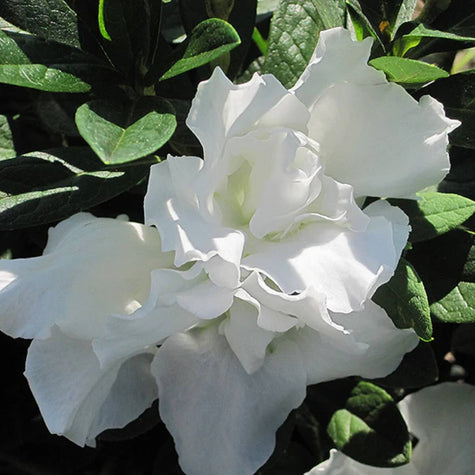
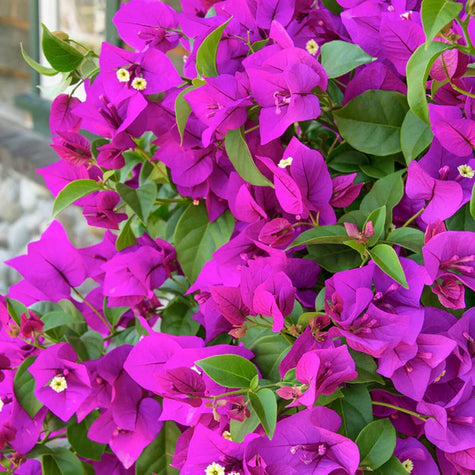
The summer sun can be intense, yet many plants reach their best display in July. Crape Myrtle, Gardenia, Hibiscus, Bougainvillea, Mandevilla, Vinca, Pentas, Lantana, Plumeria, and tropical vines all bring lasting color to warm-weather gardens.
These summer favorites can brighten garden beds, patios, and entryways while attracting hummingbirds, butterflies, and other pollinators. When adding new plants, water deeply after planting and keep a close eye on soil moisture while roots become established.
Tip from Our Garden Experts
Apply a layer of mulch after planting to help keep roots cooler and reduce moisture loss during hot weather.
Refresh Your Summer Color
Visit your neighborhood Armstrong Garden Center for heat-loving flowers, tropical plants, pottery, and advice from our garden experts.
Find Your Local ArmstrongHarvest Your Summer Vegetable Garden
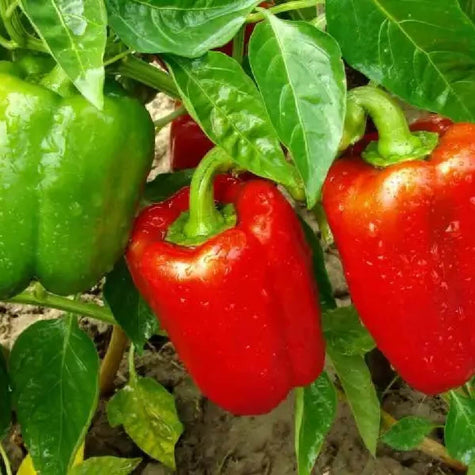
July is one of the most rewarding months in the edible garden. Tomatoes, peppers, cucumbers, zucchini, summer squash, and eggplant may be producing quickly, so harvest regularly to encourage plants to keep setting fruit.
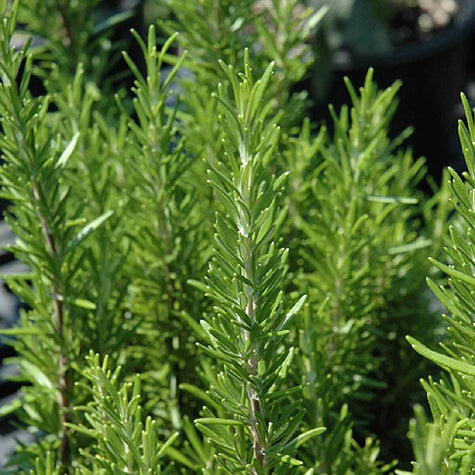
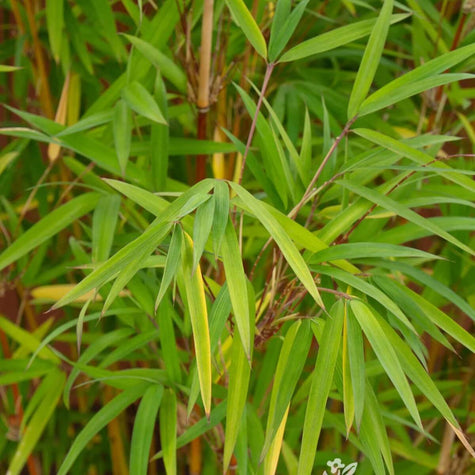
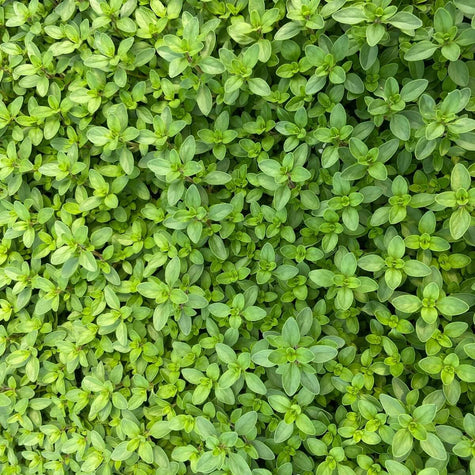
Warm-weather herbs such as basil, mint, rosemary, chamomile, stevia, and thyme can also be harvested often. Frequent trimming keeps many herbs full and productive while giving you fresh flavor for summer meals and drinks.
Grow and Enjoy Fresh Summer Fruit
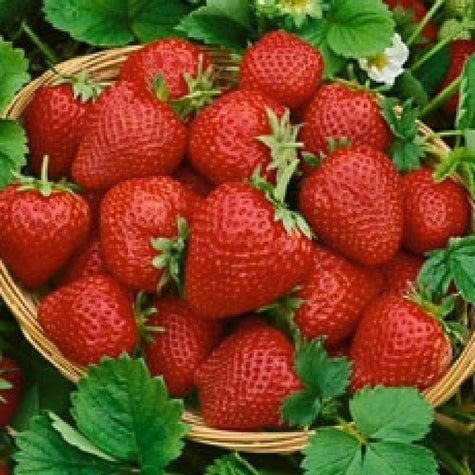
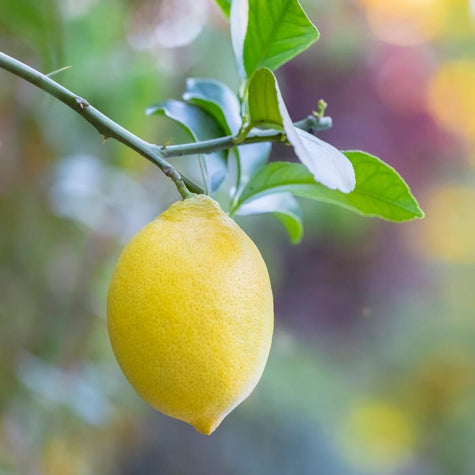
Many favorite fruits are actively growing or reaching peak harvest in July. Citrus, blueberries, strawberries, figs, passionfruit, dragon fruit, and avocados all benefit from consistent watering during hot weather.
Check fruit trees and edible plants regularly rather than waiting for visible wilt. Deep, steady watering and appropriate feeding help plants maintain healthy growth and support developing fruit.
Grow Something Delicious
Explore fruit trees, vegetables, herbs, fertilizers, and everything you need for a productive edible garden.
Explore Edible PlantsCrape Myrtle Steals the Show
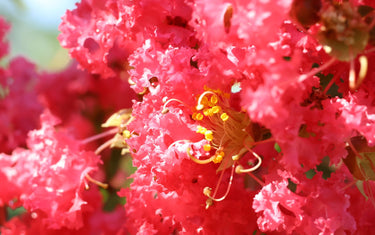
Few trees put on a better summer display than Crape Myrtle. Available in a range of sizes and bloom colors, these long-flowering trees are well suited to Southern California landscapes and can provide vibrant color well into late summer.
Choose a variety that fits the available space, including its mature height and width. Browse available Crape Myrtles before visiting your local store.
Refresh Faded Flowers and Containers
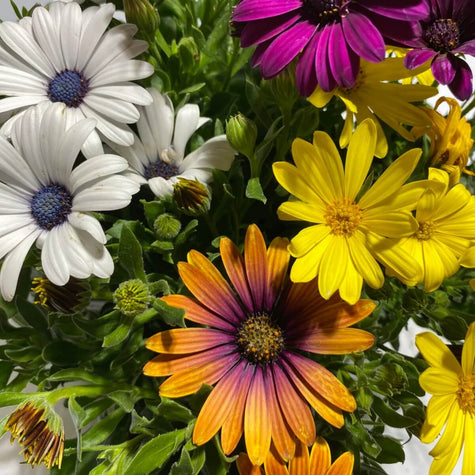
By mid-summer, some spring annuals may look tired or leggy. Cut back healthy plants to encourage fuller growth, remove spent flowers, and replace declining plants with heat-tolerant varieties.
Containers may need extra attention because they dry out faster than garden beds. Refreshing the top layer of soil, checking drainage, and adding a few new flowering plants can quickly revive a patio or entryway without requiring a complete redesign.
Water Smart During Peak Summer
Water early, ideally between 6 and 10 a.m., so plants can absorb moisture before afternoon heat increases evaporation. Deep, thorough watering is generally more effective than frequent light sprinkling because it encourages roots to grow farther into the soil.
Adjust irrigation as temperatures change, check containers daily during heat waves, and add a 2- to 3-inch layer of mulch around trees, shrubs, and garden beds. Keep mulch a few inches away from trunks and plant crowns.
Mulch Now, Save Water Later
A fresh layer of mulch helps retain moisture, cool roots, reduce weeds, and protect plants during peak summer heat.
Shop MulchFeed for Continuous Blooms and Growth
Summer heat can slow flowering when plants run low on nutrients. Annuals, perennials, roses, tropical plants, citrus, and vegetables may benefit from continued feeding when the product is appropriate for the plant and applied according to label directions.
Organic fertilizers release nutrients gradually while supporting healthy soil. Explore E.B. Stone organic fertilizers for options suited to flowers, edibles, citrus, and more.

Create an Outdoor Summer Retreat
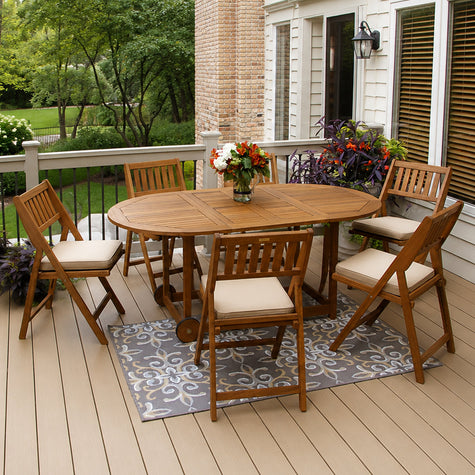
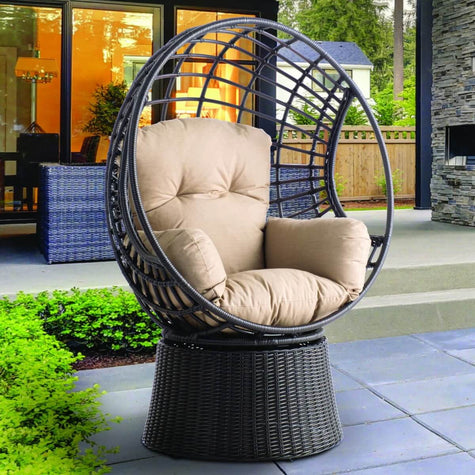
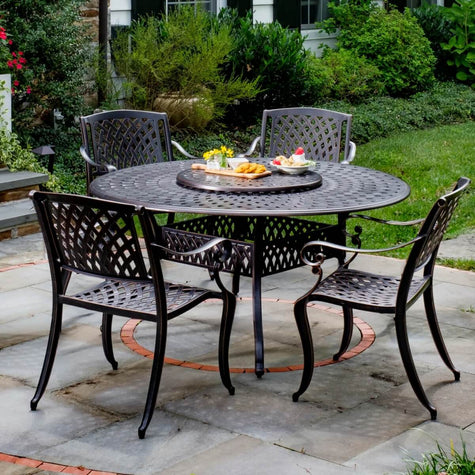
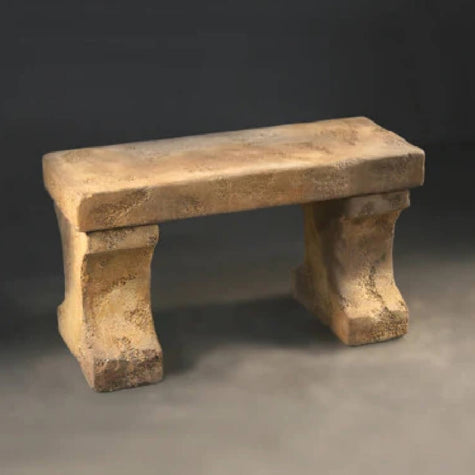
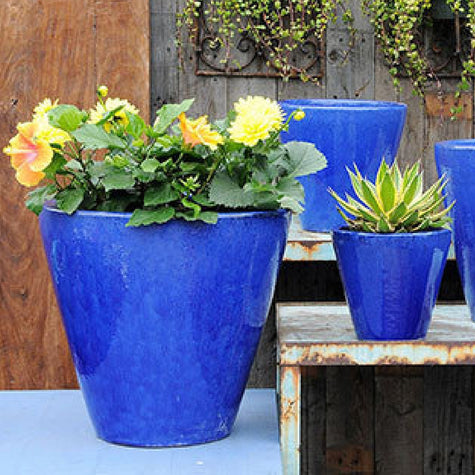
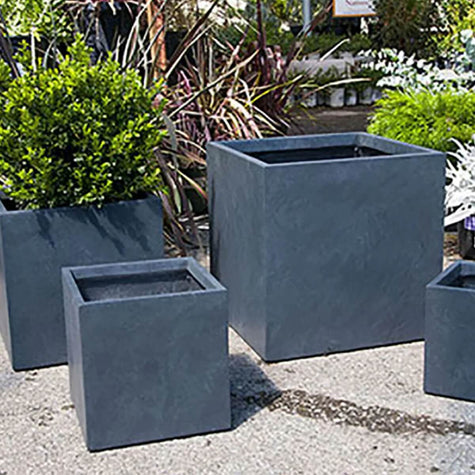
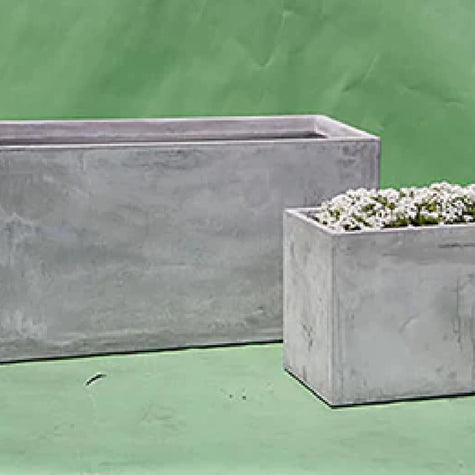
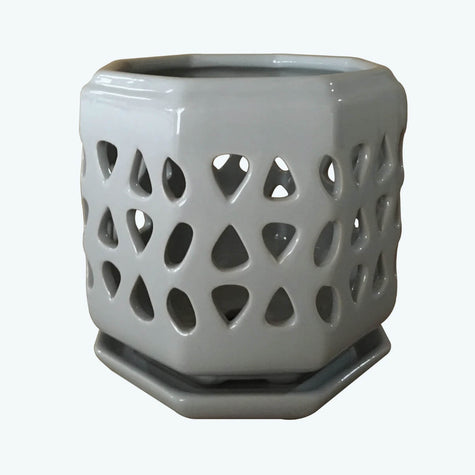
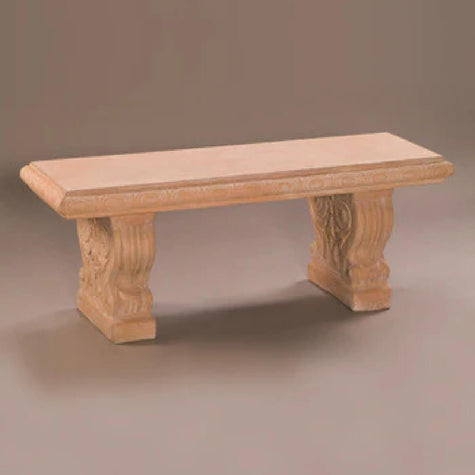
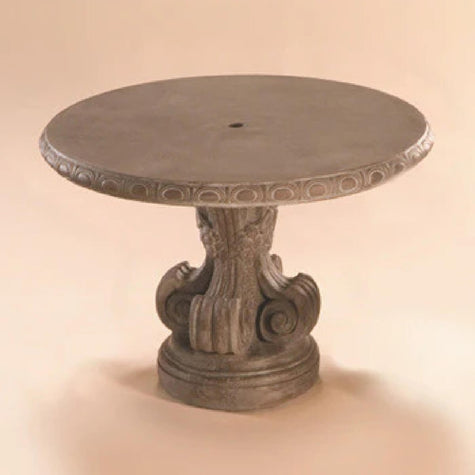
July is a great time to make patios and outdoor gathering spaces more inviting. Flowering containers, decorative pottery, shade umbrellas, garden accents, and comfortable seating can turn an underused area into a space you enjoy throughout summer.
Start with the way you use the space, then layer in shade, seating, and plants. Colorful containers placed around seating areas soften hard surfaces and help the space feel connected to the garden. Explore our patio collection for outdoor furniture and seasonal inspiration.
Design a Yard You’ll Love All Summer
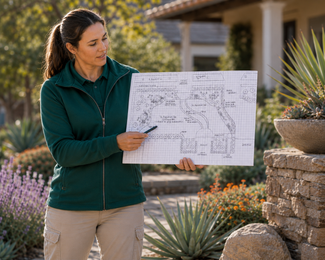
Our landscape design experts can help create a beautiful, functional outdoor space built for Southern California living.
Book Landscape DesignCare for Houseplants During Summer
Indoor plants often continue active growth in July. Water consistently, feed as needed with a houseplant fertilizer such as Bonide Houseplant Liquid Food 10-10-10, and watch for stress near hot, sunny windows.
Before leaving for a summer vacation, move especially thirsty plants away from intense direct sun and check that each container drains properly. Fresh flowers cut from the garden can also bring a little summer color indoors.
Lawn Care for July
Lawns need extra attention during extended hot weather. Water deeply in the early morning, keep mower blades sharp, and raise the mowing height slightly so grass can shade the soil and retain more moisture.
Watch for brown patches, insect activity, or disease rather than assuming every dry-looking area simply needs more water. When feeding is appropriate, a high-nitrogen option such as All Season Lawn Fertilizer 24-2-4 can support healthy growth when used according to label directions.
Tip from Our Garden Experts
Avoid cutting lawns too short in July. Slightly taller grass helps shade the soil, reduce water loss, and protect turf from summer stress.
July Garden Checklist
- Water deeply during early morning hours.
- Apply mulch around trees, shrubs, and garden beds.
- Plant heat-loving tropicals and flowering shrubs.
- Harvest vegetables and herbs regularly.
- Feed actively growing flowers and edible plants as needed.
- Cut back leggy growth and remove spent blooms.
- Refresh faded annuals and patio containers.
- Monitor lawns for disease, insects, and drought stress.
- Check fruit trees and containers frequently during heat waves.
- Bring fresh-cut garden flowers indoors.
Frequently Asked Questions
Answers to common questions about gardening and lawn care in Southern California during July.
What should I plant in July in Southern California?
July is a good time for heat-loving plants such as hibiscus, bougainvillea, mandevilla, gardenias, Crape Myrtles, vinca, pentas, tropical plants, herbs, and other warm-season selections.
Can I still plant tomatoes in July?
In many Southern California gardens, especially milder coastal areas, tomatoes can still be planted in July. Established plants should be harvested regularly to encourage continued production.
How often should I water during July?
Watering frequency depends on temperature, soil, plant type, exposure, and local restrictions. Water deeply enough to reach the root zone, then check soil moisture before watering again. Containers may need more frequent attention during extreme heat.
Why is mulch important during summer?
Mulch helps retain soil moisture, moderate soil temperature, suppress weeds, and reduce evaporation. Keep it several inches away from trunks and plant crowns.
What trees bloom in July?
Crape Myrtles are among the most recognizable flowering trees in July, producing colorful blooms through much of summer.
How do I keep flowers blooming in the heat?
Remove spent blooms, cut back leggy growth, water deeply, feed when appropriate, and replace declining annuals with fresh heat-tolerant varieties.
Keep Your July Garden Healthy and Colorful
July garden care comes down to a few priorities: water thoughtfully, protect soil moisture, harvest often, refresh tired color, and choose plants that are comfortable in the heat. Staying ahead of these seasonal tasks will help your landscape remain attractive, productive, and enjoyable throughout summer.
For recommendations tailored to your garden, visit your local Armstrong Garden Center and speak with one of our garden experts.
